The Number One Thing You Can Do to Have a Successful Marriage.
It’s Never Too Late to Learn to Be Healthy in Relationships.
Having a good marriage should not be that difficult, but we all know it is. The biggest problem I see is that two dysfunctional adults come together, get married, and almost immediately, each person’s emotional disabilities start showing up in the relationship, which is predictable. Until those base issues are resolved, which is each person’s trauma baggage from the past that renders them immature emotionally, the odds of them having a happy marriage are close to zilch, however one defines happy marriage, I should say.
Without understanding relationship dynamics and developing practical communication skills, continuous and ongoing roadblocks and obstacles will be encountered repeatedly, leading to disappointment, frustration, and resentment. Once that starts happening, it seems to couples that things go round and round like a carousel in a negative way, and they can’t seem to find a different outcome. Couples lose hope, they have a marriage crisis, and often, that’s the end of the line, when it didn’t have to be that way in many cases.
For example, when I married my children’s dad, my self-esteem was on the floor, though I told no one, and I relied on a fake persona I hid behind that was confident and self-assured. I literally played the role of who I thought people wanted me to be.
He had a family history of divorce, abuse, mental institutions, addiction, violence, and suicide that would make anyone cringe, and he was also full of toxic shame. However, at the time, I thought he was a confident and healthy man. I had no idea he was pretending, too, and compensating for his own toxic shame issues, because he rarely shared anything with me about what was going on with him, or about his past. I found out decades later through our children that he had been bullied in junior high school for smelling like pig excrement because his dad owned and ran a pig farm, and he had to do household chores and feed the pigs before school. He was so fueled by rage over the kids who berated him that once he left high school, he began his transformation into an impeccably dressed overachiever, becoming an orthopaedic surgeon and a lauded sports medicine doctor who was addicted to work and harshly judged anyone who wasn’t. He positioned himself so high in the community that he became a person of respect, so that no one would ever doubt his worth or put him down again.
He was so consumed by his career and community activities and proving to the world that the pig farmer’s son was of value, that he neglected me and the kids. He also had replaced the wonderful, kind person I met at the beginning with one who exuded anger. He put me down, I resented it, I begged him to change, he wouldn’t, and we ended up divorced. In the end, there is no doubt in my mind that the death of our marriage was caused by the damage that we came into our marriage with.
Toxic shame: The most lethal marriage and relationship killer.
If either person in a couple wanting a lifelong relationship has toxic shame, they will end up similar to how and my ex did. They will not be able to have a healthy relationship, although they may manage to limp along miserably, going through the motions of family life. Not feeling good enough, defective, less-than, like you don’t belong, is what toxic shame is. This is one of the most common childhood trauma wounds I see, and people wanting to create a family of their own must make resolving this their №1 priority, but hardly anyone does.
When someone is loaded up with toxic shame, their perception will be poisoned, and they will feel insecure and often see little things as personal slights, and they will process situations through the lens of “you probably don’t want to be with me,” or “I assume I am a bother to you.” People with toxic shame are sensitive and attuned to anything that happens that could be seen as a slight. They are word, tone, and body language analysts seeking perceived slights, and wear their partners down emotionally with their constant maneuvers and manipulations, seeking to provoke some sign from their partner that they are cared about.
In my most recent blog, I wrote about the grandiose and arrogant individuals who also suffer from toxic shame, but who conceal it with an air of superiority and self-assurance. They are as challenging to live with as the ones who openly admit to having toxic shame.
The only self-esteem stance that works in relationships and marriage is a middle-of-the-road approach: I am valuable because I exist, not because of who I am, how I look, or what I’ve achieved. This person is humble and respects others as being neither better than nor less than, and treats all people as if they are valuable and what they say matters. They can deal with disappointment, don’t take things personally, and are able to go with the flow, treating others with mutual respect. To injure another verbally, emotionally, or physically would hurt them more, and they will resist doing that at all costs.
So what has to happen, first and foremost, is for each single and married person who is suffering from either one of these problems to get into trauma therapy and start doing everything you can to strengthen your self-esteem and develop your compassion and empathy for your fellow man. If you have any physical or mental disorder, you should be working to treat that and get yourself to the healthiest place possible. Just because you are OCD doesn’t mean that you need to force your spouse to live by your unreasonable standards, for example. How about treating the OCD, doing whatever it takes, to free yourself from that happiness stealer? The number one sign that a person is healthy is that they address their physical and mental issues directly. They seek help, learn what they need to, understand they can’t know it all themselves, and can’t fix everything themselves. They will then find whatever resources they must to continue getting healthier on their personal growth journey.
Below is a basic plan I have created for adults to use to get themselves on the road to being capable of having healthy relationships:
1. Read Pia Mellody’s book,Facing Codependence,followed by her second book, The Intimacy Factor, and use her workbook to help get you on the road to healing,Breaking Free.
2. Also read Terry Real’s books on relationships,starting with the audiobook, Fierce Intimacy. He will give you an overview of what healthy relating looks like.
3.Begin childhood trauma therapy. Whether you think you need it or not (you do), get into therapy with a trauma-informed therapist. I suggest you consult a therapist trained by Pia Mellody or Terry Real, but others can also help you begin your work on the core issues that are holding you back from being happy with yourself, content with your life, and able to navigate healthy relationships with others. Work on those trauma wounds. The goal is to be so healthy that you’re not reactive to things people say or do that you don’t love. It takes a lot to hurt my feelings these days, and that’s where I want you to be.
4. Attend personal, emotional, and spiritual growth workshops and seminars.Some of the most profound work I have done, and one of the most important things you could do, was by attending workshops lasting a few days that took the time to go deep and teach me things about life and relationships that I didn’t know before. Knowing how to have a relationship is a learned skill, and if you haven’t been taught, you don’t know.
One of the biggest obstacles I have found is that the wounded men and women who come in to see me often lack the ego strength to be told that, despite being generally good and solid, they may not be emotionally healthy enough to have a successful marriage. I can’t count the times a couple has dropped out of therapy after the first meeting because one of the spouses felt attacked or felt I was one-sided against them.
Interestingly, one hundred percent of these hurt folks did not say one word to me about it in the session and acted like everything was okay to my face. Instead, they had their spouse contact me afterward to tell me their honey was butthurt, thought I was unfair, and didn’t want to come back. The messenger usually tells me everything I said was right on and fair in their opinion.
When that happens, I know I am dealing with someone who desperately needs to do the childhood trauma work — there are dozens of symptoms of it in that interaction alone. My comment on all of that is that Sheryl Crow famously wrote the song, Are You Strong Enough to Be My Man? And I would like to write a song entitled, ‘Are You Strong Enough to Go to Marriage Therapy and Hear That You Aren’t Perfect, Don’t Know Everything, and Maybe You Could Benefit from Education and Instruction?‘ Marriage is for big boys and girls who are humble and ready to receive and grow. If you can’t handle marriage therapy, I might argue that you’re not there yet.
Three Parts of the Personality.
As I have written many times, most of us are dealing with three parts of our personality on any given day, and two of them are dysfunctional and developed during our childhoods. Because most clients I see have never done serious work on themselves or studied relationships, they will typically be working with the two dysfunctional ones most of the time. This is based on the brilliant work and insight of Pia Mellody. As a reminder, here they are:
The dysfunctional two …
1. The wounded child.Less than five years old. The container for all of the hurts and wounds we have ever had. Always on guard for perceived slights and threats to the ego. Will awaken and feel intense emotions at the first hint of a slight or injustice. When your pulse rises at what someone says, does, or doesn’t do, and you feel a sudden surge of rage, fear, hurt, or shame, you can be sure your wounded child is reacting to an old, painful theme in your life, and feels a threat.
2. The adaptive child. An older child part that can also be thought of as the inner critic or the nasty voice in our head. It shames us and tells us we are not good enough, but it also tells us that the person we are dealing with is a jackass. It’s contemptuous, immature, and loves to defend, strike, run, and shut down. Although this part beats up the wounded child relentlessly for not measuring up, it also protects the wounded child when it perceives a threat, and defends by going into the fight, flight, freeze/fix/fawn response.
The healthy part …
3. The functional adult.The only part of our personality that we genuinely need. It is our best version of ourselves. Always diplomatic, reasonable, capable of vulnerability, intimacy, and all good things.
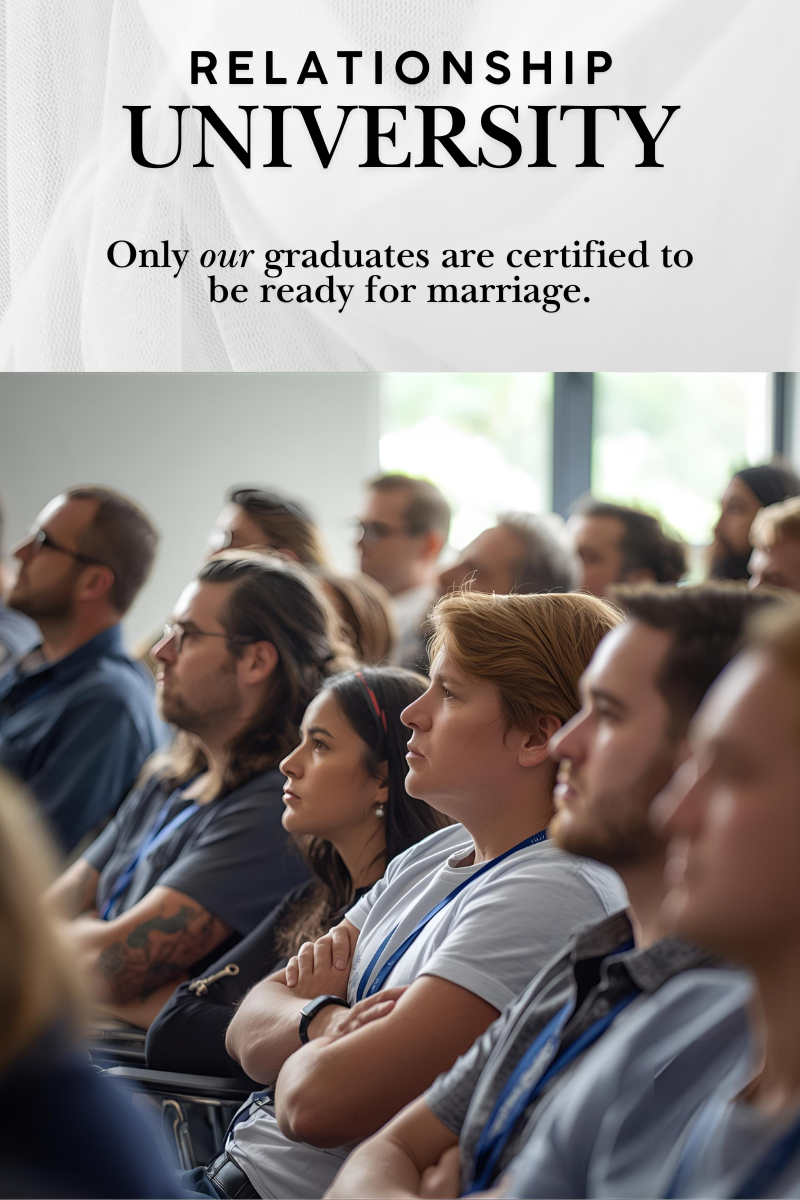
Yes, to have a healthy relationship with anyone, you need to attend relationship school and learn the skills. I hope to create one soon, but in the meantime, make a conscious decision to read these blogs, see a therapist, start reading, learning, growing, and attending workshops. Prepare yourself for a successful relationship. If you are in a relationship and are encountering rocky times, whether with coworkers, friends, family, or your spouse, start working on it now. It’s never too late. You’ll learn how to be healthy on your end of the relationship, and that is one of the best decisions you could make, and it’s the best relationship advice I could give.
Lateset podcast appearance:
Let’s Talk Midlife Crisis Podcast
https://open.spotify.com/episode/2iDIIINzOu1aLiu9QhYoZX?si=i55z833QSIumPyjUdoXvVQ
Follow me on Instagram — here
Becky’s Audiobook
She is a former features writer and columnist for the San Antonio Express-News and is the author of“I (Think) I Want Out: What To Do When One Of You Wants Out,”published by HCI Books, distributed by Simon and Schuster.
She has worked with thousands of couples to save their marriages. She can also work with you as a life coach — she is a licensed therapist in Texas and Arkansas. She also has aYouTube Channel called Marriage Crisis Manager,where she talks about relationships. She has a private telehealth practice as a therapist and life coach via Zoom.
Becky is looking for individuals who are thinking about divorce, people who are cheating, and couples in crisis, or people with amazing personal marriage crisis stories to tell, to appear on her video podcast. Your identity can be kept confidential, the time with Becky will cost nothing. For information, contact Becky.
WORKING WITH ME
I’m Dr. Becky Whetstone, a licensed marriage and family therapist and America’s Marriage Crisis Manager®. I’ve spent nearly 30 years with people at the worst moment of their marriage.
I work with clients everywhere by Zoom. If something in this post hit close to home, here’s where to start.
My book: I (Think)I Want Out: What to Do When One of You Wants to End Your Marriage — Read the whole framework, in order, at your own pace.
Appointment: 90-Minute Marriage Crisis Consultation — Bring me your situation. You’ll leave knowing what stage your marriage is actually in and what to do next.
Relationship University — Live classes and a private community for people who’d rather understand relationships than keep guessing.
Quiz: What Stage Is Your Marriage In? — A free 10-question quiz.
Note. Becky is an Amazon affiliate and may receive a small percentage if you purchase a book from her links, at no extra cost to you.