Nobody ever taught you how relationships work. This is the class.
You were never taught this. Almost nobody was.
You spent twelve years in school. Maybe four more in college. Possibly years after that in professional training. Not one hour of it covered how to be a healthy adult in a relationship with another human being.
So you learned it at home, from people who were never taught either. Then you carried what you learned into every relationship you have had since — with a partner, with your parents, with your children, and with the person sitting across from you at work.
This is where you learn what you should have been taught. We meet twice a month. We take one subject at a time. And we keep going until you can feel the difference.

Two live classes every month.
Come live on Zoom, or watch the recording whenever you want. Every class is stored in the library and stays yours for as long as you are a member. Each class comes with a handout, homework you can actually do this week, and a reading list. Between classes the community forum is open — and so am I. Post your question in Ask Dr. Becky and I will answer it.
$39/month
The first 39 members keep this rate for life.
(Regular tuition is $55/month.)
Join us live, or watch the recording later.
Our culture does almost nothing to prepare people for relationships, and then acts surprised when they fall apart. The fix is not more advice. The fix is an education.
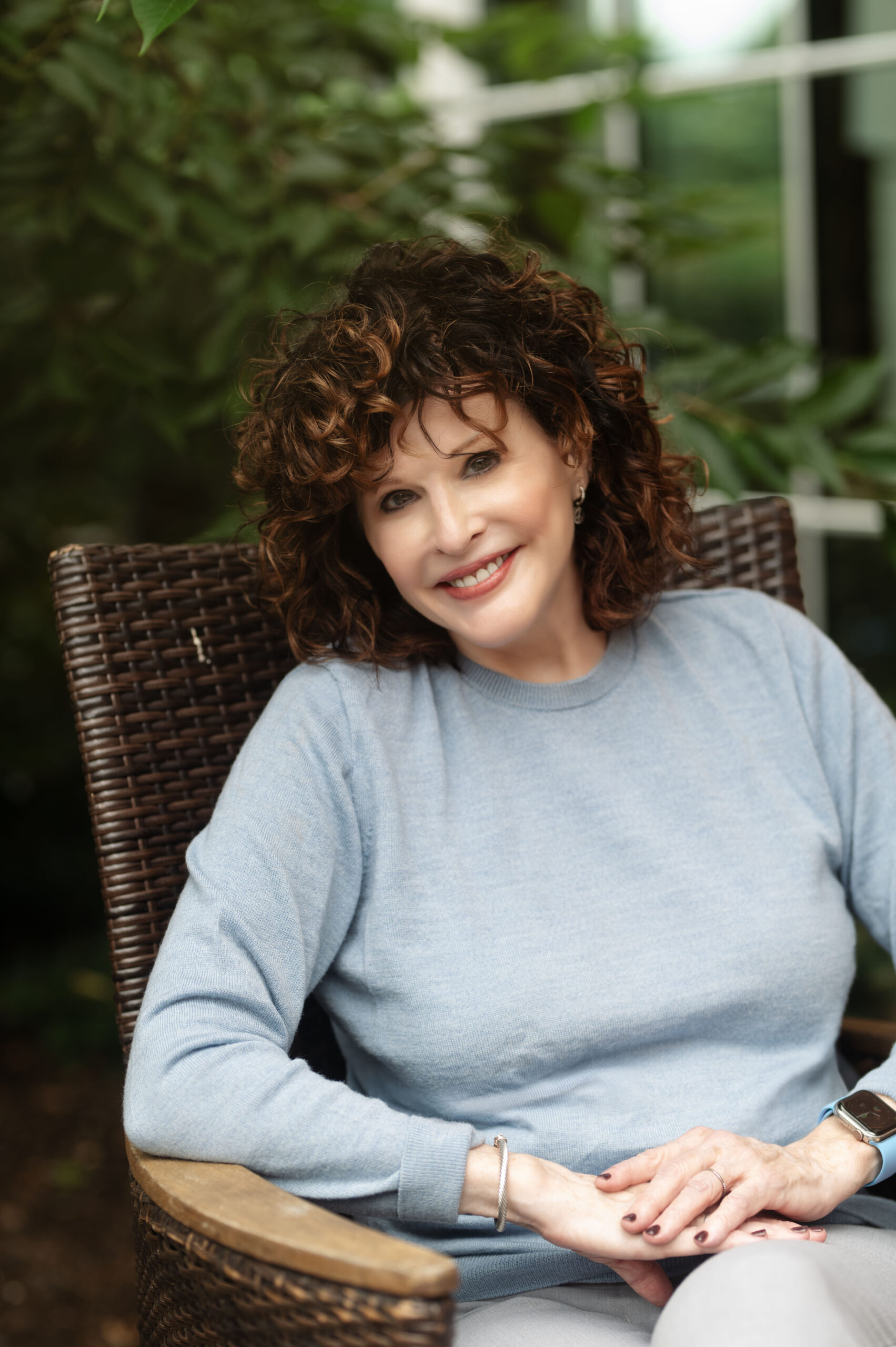
I am Dr. Becky Whetstone. I am a licensed marriage and family therapist, I work with individuals and couples as a coach, and I have spent forty years studying how relationships actually work — and how they actually fail. I have watched this information change people’s lives in my private practice, one at a time. Relationship University is how I get it to more than one person at a time.
I also do not intend to bore you. Nobody needs another dull class. I taught psychology to college students, I have been writing about this for years, and I would rather tell you the truth in plain language than dress it up.
My teaching draws most heavily on the trauma model developed by Pia Mellody, author of Facing Codependence, which explains how we get damaged and why it leaves us immature in our closest relationships. We will be working on recovering from that.
We will also study Terry Real, author of Fierce Intimacy, who teaches how to be relational in a healthy way. Real was mentored by Pia Mellody. So was I.
You will get a syllabus and a schedule, so you always know what is coming. Tuition is $55 a month — but the first 39 people to join become Founding Members and keep a rate of $39 a month for life.
Who, What, When, Where …
Who: Dr. Becky Whetstone, marriage and family therapist and life coach.
What: Relationship University. Two classes a month covering every aspect of healthy relationships — the things no one ever taught you, but should have.
When: Tuesdays at 12 noon Central, beginning September 22, for one hour. Every class is recorded and kept in the library for members to watch any time.
Where: Zoom. Your link is unique to each meeting and is emailed to you beforehand.
Class Schedule/Syllabus
Here are the classes planned for the rest of 2026.
September 22 — What Does a Healthy Adult Actually Look Like? What does it mean to be a mentally and emotionally healthy adult, wired for healthy relationships? What does a solid relationship with yourself — and with everyone else — actually look like? This is your north star for everything that follows.
September 29 — Everyone Has Childhood Trauma. Here’s How Yours Happened. (Note: this class falls one week after the first rather than two, because of a conflict in my schedule.) You will be surprised how little it takes to traumatize a child — or an adult. We will define what trauma is and how you can tell when it is childhood-related. This will not be the last time we visit the subject.
October 20 — What Recovery Actually Requires. What does a person have to do to go into recovery from childhood trauma? And do not tell yourself you do not have any. You do.
November 3 — The Five Places We Get Emotionally Disabled. Self-esteem. Boundaries. Perception and reality. Dependency. Moderation and control. These five turn up in almost every relationship problem there is.
November 17 — The Parts of You That Wreck Your Relationships. The parts of a traumatized person’s personality, and the havoc they cause.
December 1 — The Role You Were Assigned, and Still Play. The roles that emerge inside families, and how they follow us for the rest of our lives.
December 15 — Holiday Boundary Setting 101. How to get through the holidays with family and friends without losing your mind. Timed for exactly when you will need it.
December 29 — Why Your Resolutions Fail. Why so many of us break our New Year’s promises, and what self-discipline and real goal-setting actually take.
Stay tuned for the 2027 Syllabus!
A few topics we will be exploring …
What is it to be a mentally and emotionally healthy adult who is wired for healthy relationships?
It is essential to know the difference between healthy and not healthy, functional and dysfunctional, when it comes to relating with yourself and others. We will talk about this first, so you have your north star for the journey to being all you can be.
Everyone has childhood trauma that makes it difficult to have healthy relationships. So how did that happen?
We all get traumatized as children, and we will teach you how you can absolutely, positively know you have it, and how it happened. We will talk about beginning the recovery process. This sets you on your way to being the healthiest and most functional person you know!
What does one need to do to go into recovery from childhood trauma?
Diving a little deeper into the recovery process from childhood developmental trauma. The facets of it, and the things you can do now that will change your life.
The parts of the traumatized person’s Personality.
Under pressure, most of us stop responding as adults. A younger, more reactive part takes over — and it says things the adult in you would never say. You will learn to recognize which part of you is doing the talking, and how to get the adult back in the chair before the damage is done.
The different roles that emerge in families, and how they affect us our entire lives.
Every family hands out roles. The responsible one. The difficult one. The invisible one. The peacemaker. You did not choose yours — but you are probably still playing it at forty-five, at work, with your partner, and at every holiday dinner. Naming the role is the first step to putting it down.
Holiday Boundary Setting 101: how to navigate the holidays with friends and family without going insane.
The holidays put you back in the room with the people who taught you your patterns, and everyone expects you to be delighted about it. This class is about what to say, what to decline, and how to leave — without a scene, and without spending all of January recovering.