A Lazy Effort in Mate Selection Often Predicts Divorce.
Why Dating A Few To Find The One is Misguided.

One of the leading causes of divorce is because people I call lazy daters spend little time and effort in choosing the right mate for them and then struggle for years to make something that was never going to work work. What a big decision it is, but people who don’t want to go through with dating dozens and maybe hundreds of potential mates to find as good a match as they can, and instead, choose from a sample size of two or three people and hope they win the marriage lottery.
When I did my dissertation research in 2005 and 2006 on how people in long-term marriages decide to divorce, I also asked each participant how they chose to marry who they did. The reasons they gave me for marrying the partner they would eventually divorce helped explain why the unhappy relationship was likely doomed to fail. Interestingly, most of them knew how they chose their mate did not make good sense. Not one of them mentioned words like love, love of my life, or my personal must-have — “I’m a damn fool if I don’t marry this wonderful person who will enhance my life,” to describe their feelings about their spouse when they wed. Instead, it was:
“She was about to move out of town, and I didn’t want her to, so I asked her to marry me.”
“He was a survivalist, Y2K was coming, and I knew he’d the be the best person to be with if the world collapsed on January 1, 2000.”
“I hated dating, my friends were all getting married, and he was a pretty good guy, so I thought, yeah, this will do.”
“My parents and family members disapproved of us living together.”
Flimsy choices.
I understand stupid marriage choices made for ridiculously wrong reasons; I have made them myself, but I had hoped I was rare. After talking to a lot of people over the years about their relationships, I am convinced that when people decide to marry, they don’t look around a lot or consider the pros or cons much or for very long. They may tell themselves, “Oh, I like these two or three things about them,” or, “It seems like a good thing,” but at the end of the day, they deserve to be put in my category known as lazy daters. Lazy daters follow the law of least effortin choosing a life mate. Thelaw of least effortsays that animals and people naturally choose the path of least resistance or effort. Although we mammals are wired to do that, the people who are successful at anything push beyond that. Because a future divorce is so influenced by the mate we choose and the reasons why we chose them, I would like to make marriage licenses more challenging to attain in the first place. Those of us wanting to pair up for life should be required to take a class in healthy mate selection and spend 40 hours with their partner and a therapist solely to get to know each other on a deep level; then they’ll take an exam they must pass and may be issued a license, but only if I say so.
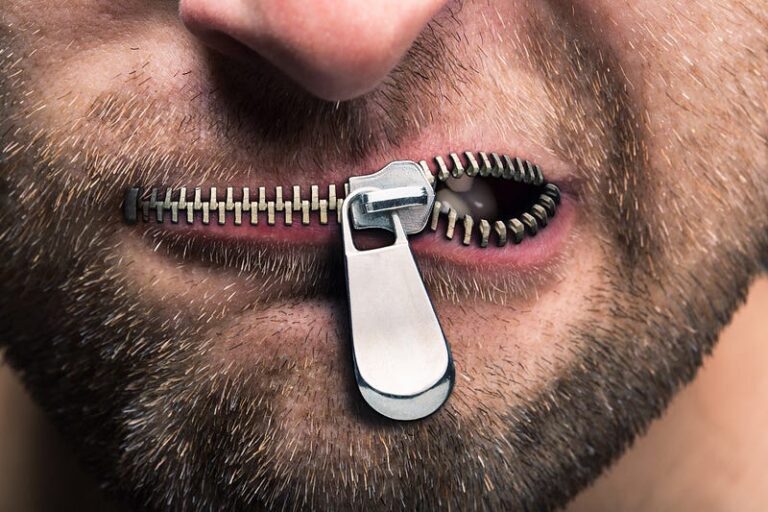
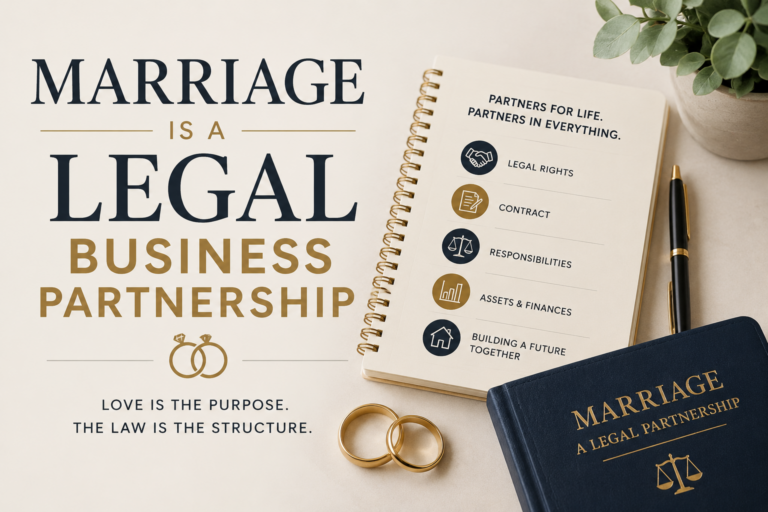
One of the reasons I dislike weddings so much is that I almost always think the couple exchanging vows has no business in a long-term relationship together, much less a legally binding business agreement known as marriage. Still, none of my friends or family members ask me what I think. When the officiant asks if anyone knows why the couple shouldn’t marry, speak now, or forever hold your peace, I sit on my hands and pretend I have duct tape on my mouth. My husband side-eyes me to see if he may have to tackle me should I act on my thoughts. I have begged many a couple who came to me for premarital counseling to hold off, and none of them did. When someone wants to marry, a bulldozer won’t stop them. It’s a very strange dynamic, indeed.
Human beings living the path of least resistance theory of mate selection tend to talk themselves into settling on someone for whatever reason that makes sense at the time, not spending much effort or time on the personality of the person, things they have in common, the little things they do that annoy them, division of labor, how flexible and spontaneous they are, their beliefs and values, hopes and dreams for the future, how they feel about money, children, and discipline, maintaining their health, how interested they are in personal and spiritual growth, how they visualize their career life and how a couple divides financial and household responsibilities, how willing they are to ask for help when needed and much more. I wrote a blog about things couples should discuss before getting married. Instead, these types of things will be duked out between the two or in marriage therapy when the inevitable deadlock arrives. When I ask, “Did you guys talk about this issue before marriage,” they almost always say, “No,” as I sigh in resignation and my heart sinks to the floor.
Marriage is the most significant decision a person can make; being in a bad one is the worst form of misery, and ending one is hell. It’s essential to get it right because even the best thought-out marital decisions don’t guarantee they will be good over the long term. There are too many unknowns in the future for every couple who marries. Anything less than a well-thought-out and intelligent decision on who you marry will cause you conflict and deadlock in the future, guaranteed,
I see individuals who marry people they know are volatile, moody, high maintenance, mentally unstable, give them a hard time, and then ask why their marriage is so troublesome. My first husband cheated on me numerous times when we were dating, and yet I still went back to the trough when he asked for forgiveness. I think that I knew the water I was drinking was no good, but my self-esteem was so low that I thought he was the best guy I could attract at the time. How pitiful is that?
Few seem to realize how important it is to choose a mate for the long term who is healthy in almost every way and is dedicated to doing what they can to stay that way. Someone who understands the hard work involved (that means time, actions, and focus), who wants to be a true partner and helper, a great friend, who understands how important it is to maintain their individuality within the relationship and can keep their focus on the romantic side of the marriage and not ignore it. They must be respectful, decent, kind, and have integrity — someone who can give you emotional support and truly has your back and best interest at heart. There is so much to consider when making a lifemate decision. Still, one thing is sure: if you want the relationship to have the best potential to last relatively happily, you must choose someone mature, healthy overall, has integrity, is flexible and goes with the flow, is kind, and who would die before they would harm you or anyone. The more oddities, syndromes, disorders, health issues … well, unpleasant things don’t typically get better in marriage; they amplify.
It’s a good idea to choose a grown-up for your spouse.
Other things that must be considered are: do you feel good enough for your partner, and do they feel good enough for you? A healthy relationship requires two people with rock-solid self-esteem, feeling worthy of great things and people in their lives. I can’t tell you how an imbalance in this area will poison a relationship as much as dumping toxic waste into a river does. Think about it: if I marry a man who doesn’t think he’s good enough for me, every meaning he will make about what I do or don’t do will be filtered through that lens. He will feel insecure, take things personally, and create problems of his own making based on his fear that he thinks one day I will realize how worthless he is. If I feel like I’m a better person than he is, that will play out in all sorts of dysfunctional ways, too. I have seen this hundreds of times.

I’ve had a lot of single clients over the years who complained about the drunken antics of their boyfriends, foul language, name-calling, watching video games or hunting and fishing, and hanging with the boys during most of their time off. While they probably should be thinking about leaving them, they’ll tell me they are considering marrying them. On the man’s side, a guy may say to me that his honey has mastered the art of seduction and looking provocative or that she is obsessed with spending time with her mom or sisters, spends more money than she has, or has more debt than the United States government and thinks he’d like to pop the question. A client once told me he chose his wife because she was a belly dancer. Jesus, people, it’s time to decide: Do you want your future spouse and potential parent of your children to be an adult or a child? There is a vast difference, and I urge you to learn what it is. I will never completely understand why people won’t tear themselves away from these ridiculous people who drag them down, but it probably concerns the law of least effort. I can only say that if you choose that route, prepare for tough times and the misery that comes with that.
People with good mental health have relatively solid moods, get over things quickly, think positively, are low maintenance, accept responsibility for their actions and mistakes, can make amends and do a relationship repair, don’t hold grudges, deal with things head-on, and are authentic, genuine, and show you who they are. This group is five percent of the population. The best way to find them is to date a lot of people and find that rare person who is an emotional adult, who you are attracted to, they are attracted to you, and who is compatible in the ways that matter — the more things you have in common, like similar education, background, culture, age, spirituality, the better. Best friend material is wonderful in a marriage; you can have it if you wait for it to come and are discerning. It may sound like finding a needle in a haystack, and in many ways, it is, but it’s worth the wait, believe me.
Many clients have told me they sent the good ones away when they were single because they thought them boring. Others say the person liked them too much (really?), felt more like good friend material and weren’t a challenge. It sounds like when they were dating, the main criteria for a mate were to find a partner with Don Juan or Charo’s sexuality (see my photos) and an avoidant-attached person who was never that into them. That sounds about right, based on what I’ve seen. When people base their selection on youthful passions and pastimes, they will have a hard time about 10 years into the marriage or less. Party girls and boys often become alcoholics, sexy people get old and tired, and an avoidant stays avoidant. The hopelessly immature aren’t a good match for anyone, but I’ve seen people choose that numerous times. You have to consider how living with the person over the long haul might be. Doesn’t it make sense that a solid and consistent person would be better day in and day out rather than a volatile rabble-rouser?

Dependency.
In my town, there is a private Facebook page devoted to powerful women, at least that’s what they call it, but when I read the stories there, I think, “Jeeze, they need to change this page to “The Powerless Women.” Why? Every other day, a woman dependent on a man posts about what an awful bad guy she is married to, and she is a stay-at-home mom who has nowhere to go, has children still at home, no training, no ability to support herself, and feels trapped. Well, guess what? When you situate your life where you cannot support or help yourself if your partner turns out to be cruel and controlling, it is going to be very hard to get away. I beg all men and women not to put themselves in this situation. If you are currently faced with that, do whatever you can to get some work or training and prepare yourself where you have options and choices. Never paint yourself into a corner where you rely on an unhealthy mate to get you out. Some day, I’d like to tour high schools nationwide and speak about the dangers of financial dependency. I know teenagers don’t heed advice from adults, but at least I’ll know they’ve heard how important it is.
Memories
After my divorce from my kid’s dad in San Antonio, I was a single mom who wrote about relationships for the newspaper and was often invited to single’s parties organized by various singles groups like snow skiers and people who travel. I will never forget walking into one patio party hosted by a single man’s club and encountering a 50-ish-year-old male in a white suit wearing a penis tie, meaning there was a picture of a real penis going all the way down the tie. The knot was a picture of pubic hair. Standing with him was another man, maybe in his 60s, who referred to himself as “the reverend,” wink, wink. They both had perv vibes I can still feel to this day. I could not believe how many sophomoric geezers there were there hoping to meet women, and I kept seeing various versions of this all over San Antonio. I was concerned for mankind and myself. Being among that single culture felt like I had died and gone to hell or was in a Twilight Zoneepisode calledOld Men Who Never Grew Up.
The women at the party were in a similar situation to the men: a walking red flag warning. Worn faces, sun-damaged skin, huge cleavage, wine-filled belly, while waving a drink around and slurring their speech. Most of these women were in their 40s and 50s.
“What is going on here?” I asked myself. “Where are the solid people who have character and integrity and who conduct themselves as good, solid people, looking for good, solid friends? But using a cliche, birds of a feather flock together, and at this party, the heavy drinkers who most likely had an alcohol addiction had created a social culture where they could get drunk and act ridiculous together. I suspect these groups exist all over.
Bottom Line
Most people I work with are not healthy enough individually to be mature, solid mates to someone else. I also was not healthy enough for many years and went and got married anyway. I had no idea what being healthy was then, and I knew nothing about self-esteem, boundaries, the importance of being able to be alone and how they are responsible for their happiness, how to be an accurate and thoughtful communicator, how to discern reality, and what the dynamics of a healthy relationship are. I had to have numerous awful past relationships and plenty of emotional pain to get motivated to learn all these things. It was a long time coming, but I did guide myself to a fresh start, thank goodness.
The good news is that there is plenty of information for you to use to do this sort of evolution for yourself. I wish all the resources we have today were available back when I was lost and wondering what being emotionally healthy was. I highly recommend you find a therapist you like and trust to work through these things with you. A good one will be honest and tell you what they see in a way we hope you can receive. They’ll answer your questions as you learn and grow. It’s never too late to straighten yourself out mentally and emotionally, and if you want a committed relationship or marriage, it is the best way to do it successfully.
She is a former features writer and columnist for the San Antonio Express-News, and is the author of“I (Think) I Want Out: What To Do When One Of You Wants Out” published by HCI Books, distributed by Simon and Schuster.
She has worked with thousands of couples to save their marriages. She can work with you, too, as a life coach — she is a licensed therapist in Texas and Arkansas. She also has aYouTube Channel called Marriage Crisis Managerwhere she talks about relationships. She has a telehealth private practice as a therapist and life coach via Zoom.
Education and support groups are available for individuals in a marriage crisis. For more information visit MarriageCrisisManger.com.
Becky is looking for individuals thinking about divorce, people who are cheating, and couples in crisis, or people with amazing personal marriage crisis stories to tell to appear on her video podcast. For information, contact Becky.
WORKING WITH ME
I’m Dr. Becky Whetstone, a licensed marriage and family therapist and America’s Marriage Crisis Manager®. I’ve spent nearly 30 years with people at the worst moment of their marriage.
I work with clients everywhere by Zoom. If something in this post hit close to home, here’s where to start.
My book: I (Think)I Want Out: What to Do When One of You Wants to End Your Marriage — Read the whole framework, in order, at your own pace.
Appointment: 90-Minute Marriage Crisis Consultation — Bring me your situation. You’ll leave knowing what stage your marriage is actually in and what to do next.
Relationship University — Live classes and a private community for people who’d rather understand relationships than keep guessing.
Quiz: What Stage Is Your Marriage In? — A free 10-question quiz.
Note. Becky is an Amazon affiliate and may receive a small percentage if you purchase a book from her links, at no extra cost to you.